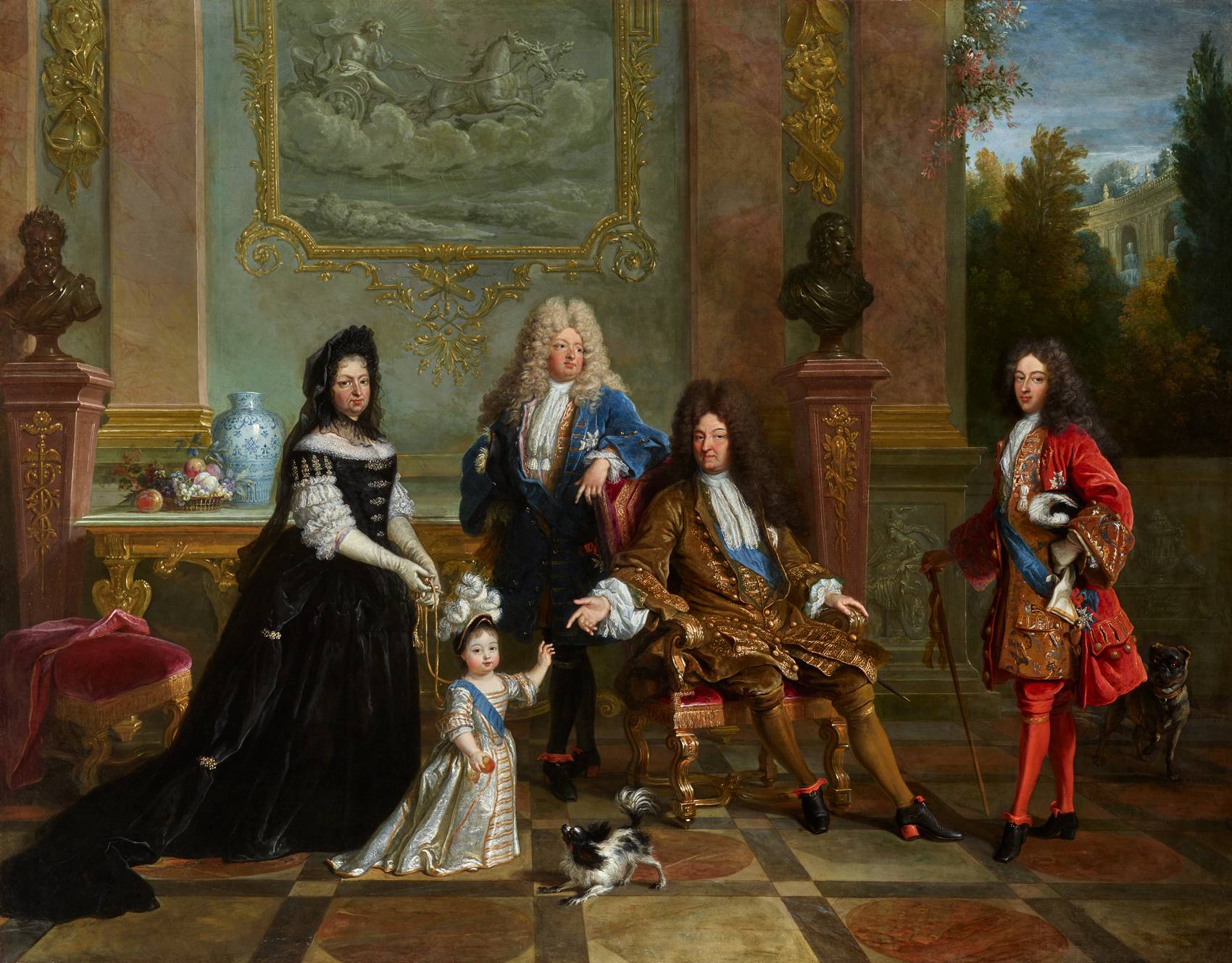
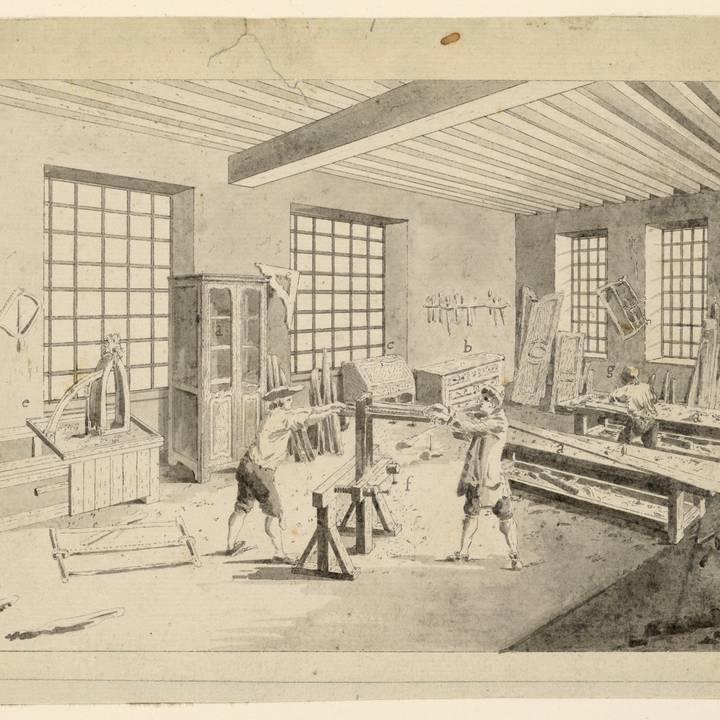
Once described by Louis XIV’s chief minister, Jean-Baptiste Colbert (1619-1683), as ‘the most skilled craftsman in his profession’, André-Charles Boulle (1642-1732) had a remarkable impact on furniture design during his lifetime and beyond. Born in Paris in 1642 to a family originally from Guelders, Boulle followed his father’s trade as a furniture maker, despite early aspirations to be a painter. Showing great aptitude for his craft, he earned the recognition of Colbert, who, in 1672, awarded him a workshop in the Louvre and the position of cabinetmaker to the king. This role offered him the opportunity to create sumptuous furniture for the court, free from the creative strictures imposed by guild regulations.
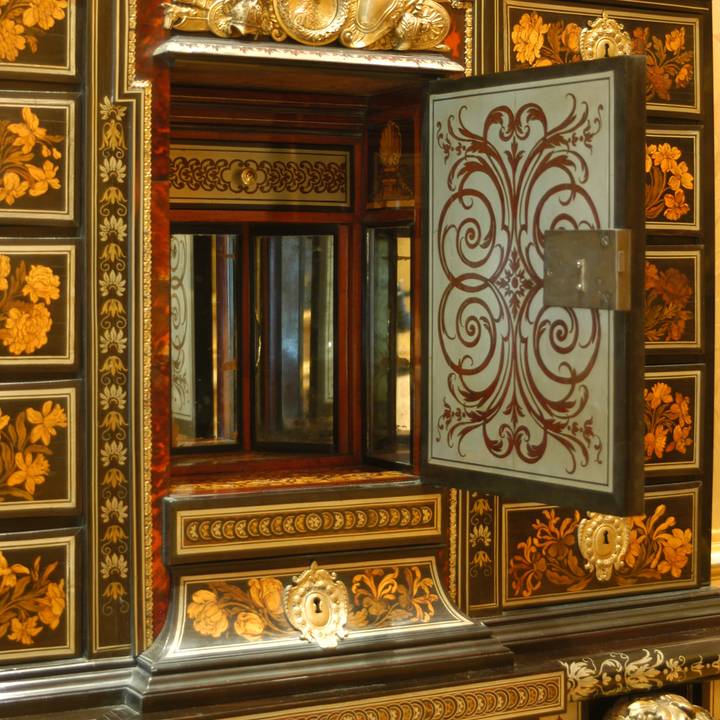
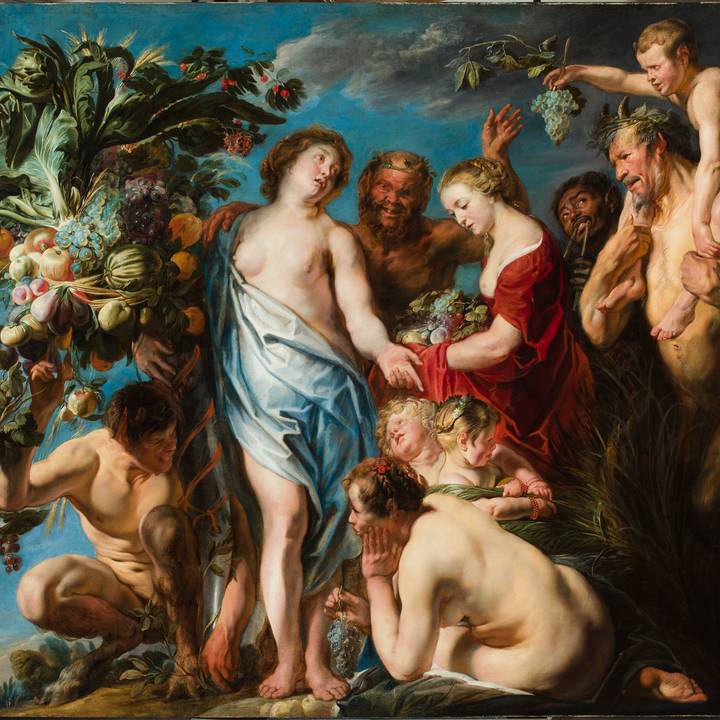
Over the course of his long career, Boulle experimented with the form and function of furniture and led the way in developing new models, such as the writing desk and the chest of drawers. He also perfected the use of intricate turtleshell and metal marquetry, with which his name would come to be associated, and remarkable gilt-bronze mounts. For inspiration, Boulle often drew on his own extensive collection of prints, drawings and sculptures, many of which were lost in a disastrous workshop fire in 1720. He worked on a whole host of royal projects, including for the king’s son, the Grand Dauphin, at Versailles and the wife of his grandson, the duchesse de Bourgogne, at the royal menagerie. The cabinetmaker handed over the running of his workshop to his sons in 1715, before his death in 1732.
Discover more about Boulle’s remarkable practice and patrons using the tabs above.